
Silent Conversations
of the Giants
How elephants talk to each other
Sound, earth, scent, and touch — the four invisible threads that hold a herd together.
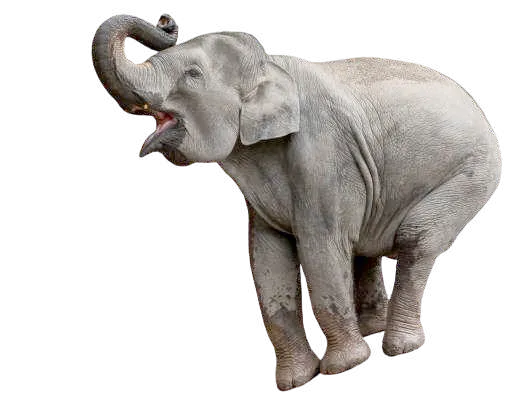
The Trumpets of Emotion
From joyful trumpets to warning rumbles, every sound tells a story — of reunion, danger, or love.
Low-Frequency Whispers
Infrasonic rumbles below human hearing carry across miles of forest. Herds stay in touch even when out of sight.

The Earth Speaks Back
Every footstep sends vibrations into the ground. Other elephants "listen" through their feet, sensing these hidden signals across miles.

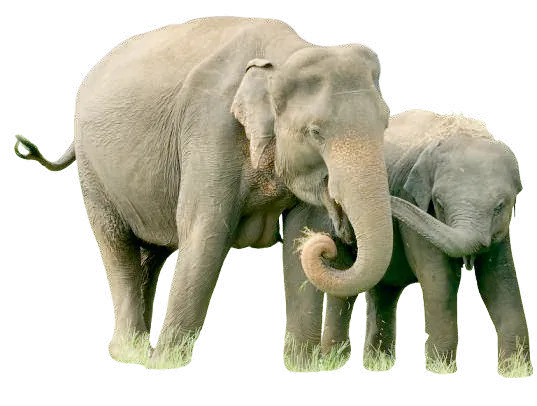
A Touch That Heals
A trunk's gentle caress comforts calves, builds trust, and strengthens the herd's unbreakable bond.
The largest land mammal of Asia
Intelligent · Social · Vital to forests
Classification
- Kingdom
- Animalia
- Phylum
- Chordata
- Class
- Mammalia
- Order
- Proboscidea
- Family
- Elephantidae
- Genus
- Elephas
Behaviour & Social Structure
- ✦Highly intelligent
- ✦Live in matriarchal herds led by the oldest female
- ✦Adult males often solitary
- ✦Strong social bonds, empathy, and communication
Diet: grasses, bark, roots, fruits, bamboo. Role: seed dispersers — called "ecosystem engineers".
Five Super Senses
Each sense plays a vital role in helping elephants survive, communicate, and thrive in the wild.
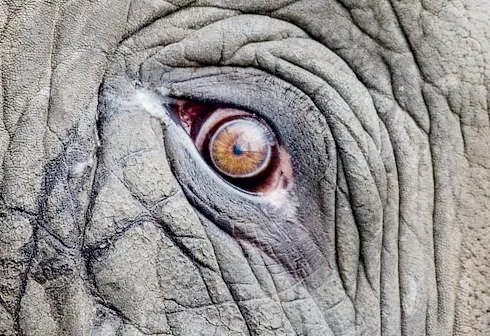
SIGHT
Provides good vision both day and night. Important for watching their young and spotting predators.

SMELL
Allows detection of distant odours. Plays a key role in locating food and water. Helps identify members of the herd.
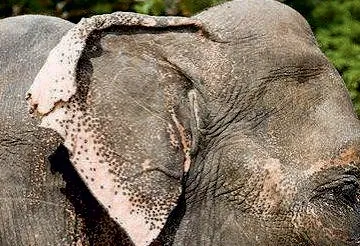
HEARING
Sensitive ears tuned to low-frequency sounds. Enables communication with other elephants. Important for detecting distant threats.
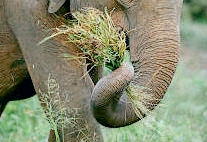
TOUCH
Detects vibrations through the ground. Sensitive trunk used to explore objects.
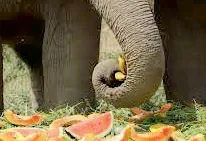
TASTE
Helps distinguish food quality and type. Works closely with smell to select food.