55 Million
Years
From a pig-sized swamp dweller to the gentle giants of Karnataka's forests — the most remarkable evolutionary journey in the animal kingdom.
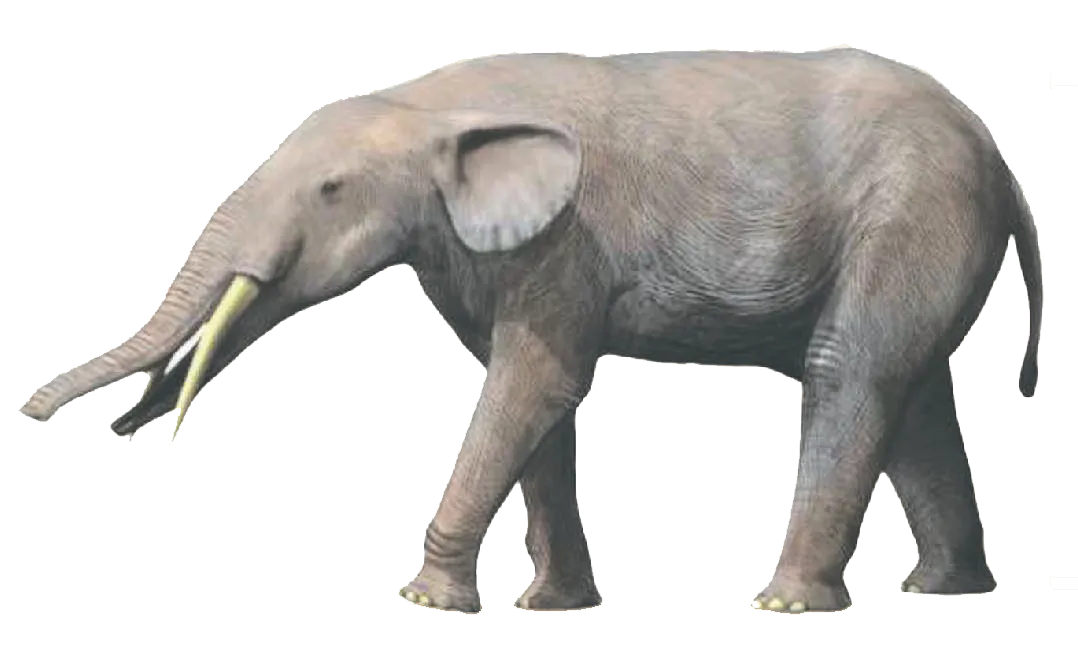
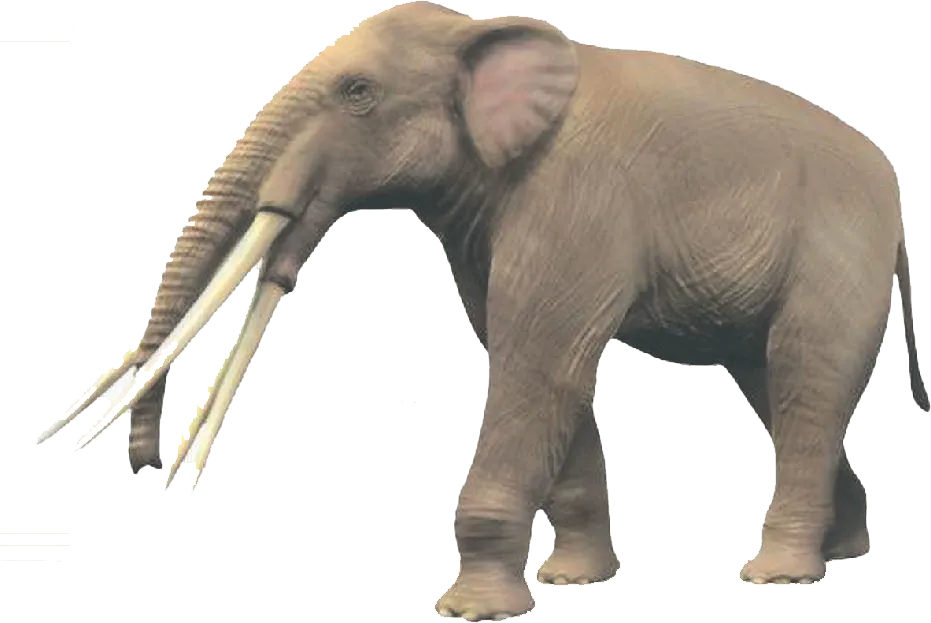
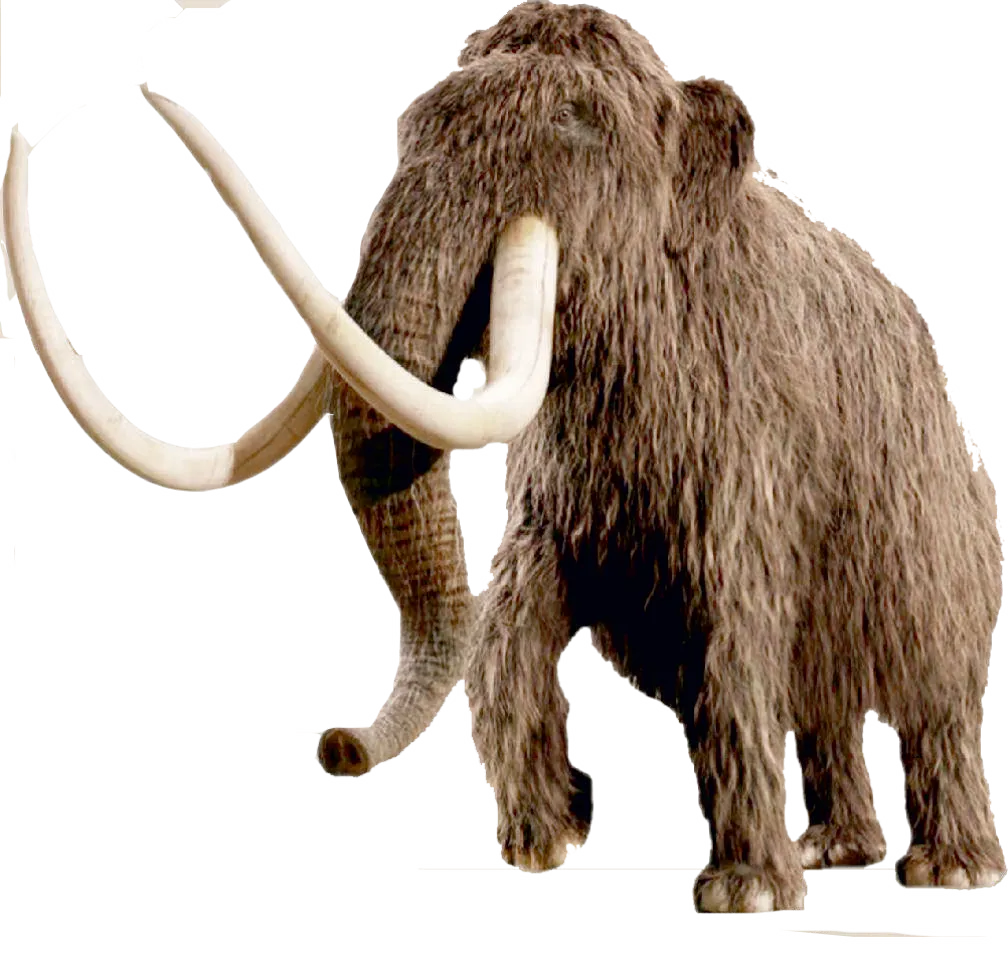
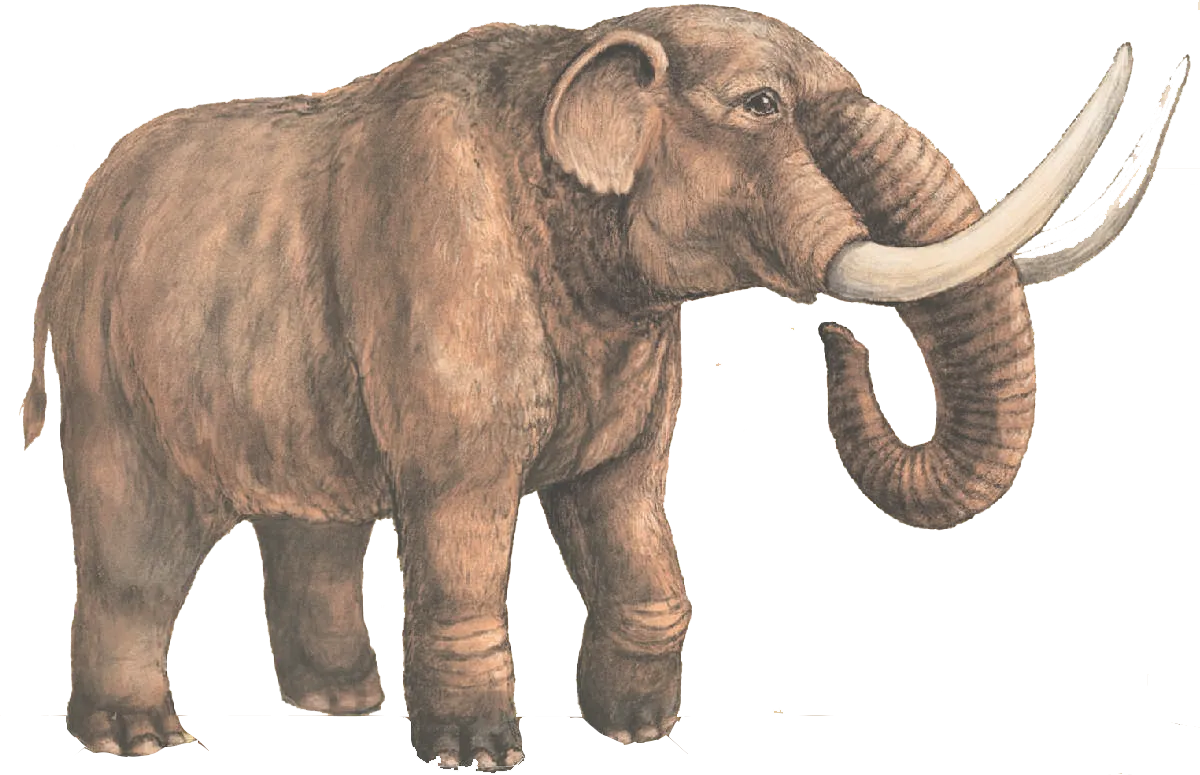
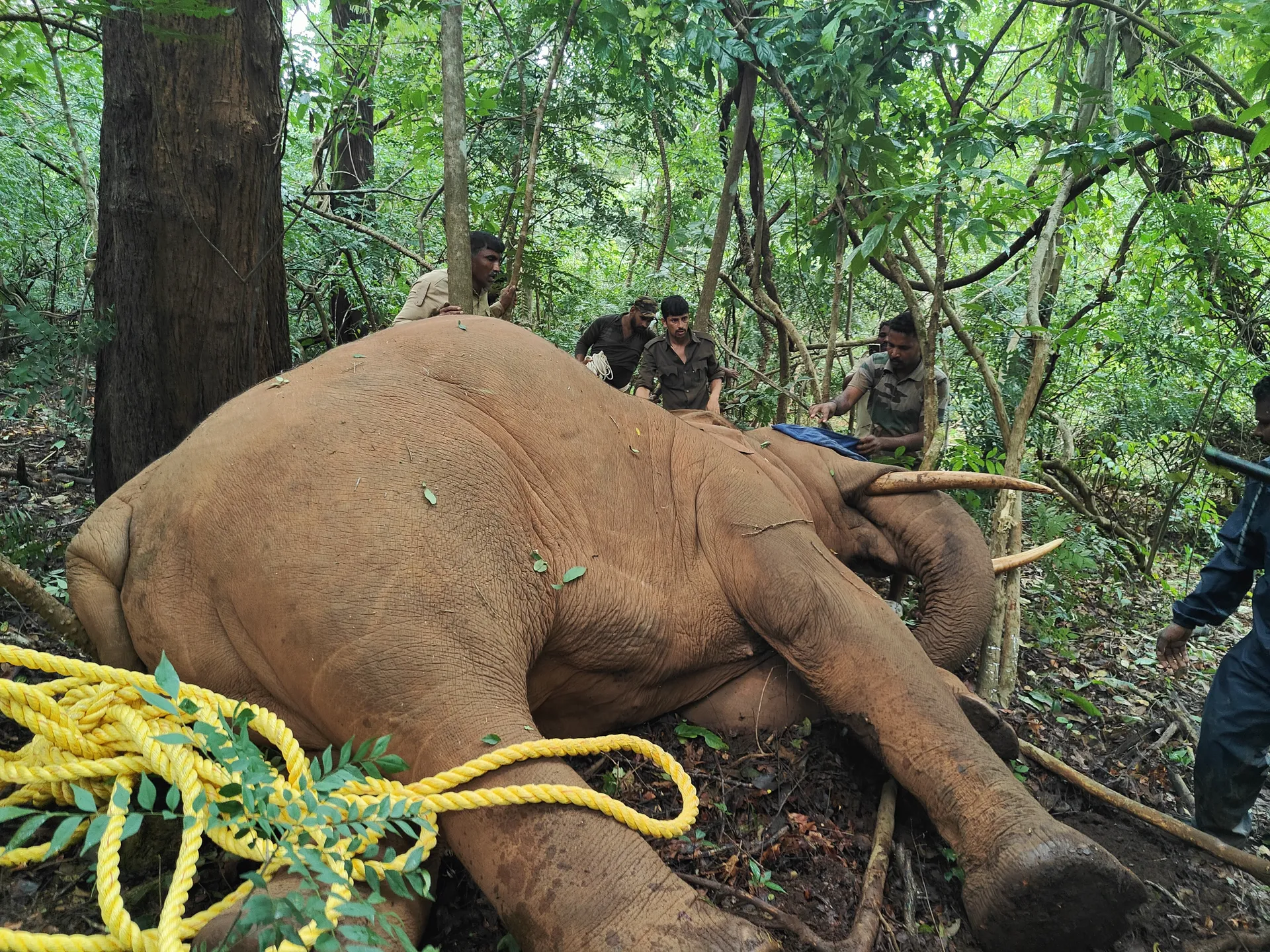
A 55-Million-Year Journey
Elephants belong to the order Proboscidea — named for the proboscis (trunk). Over 180 species have existed; only 3 survive today.
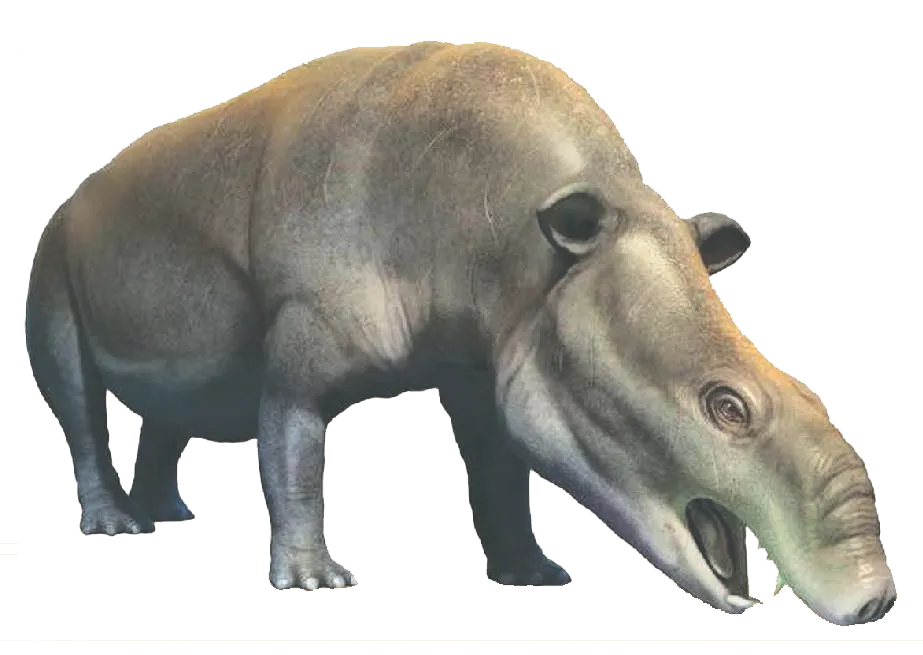
The ancestor of all elephants — a small, pig-sized swamp dweller with no trunk.
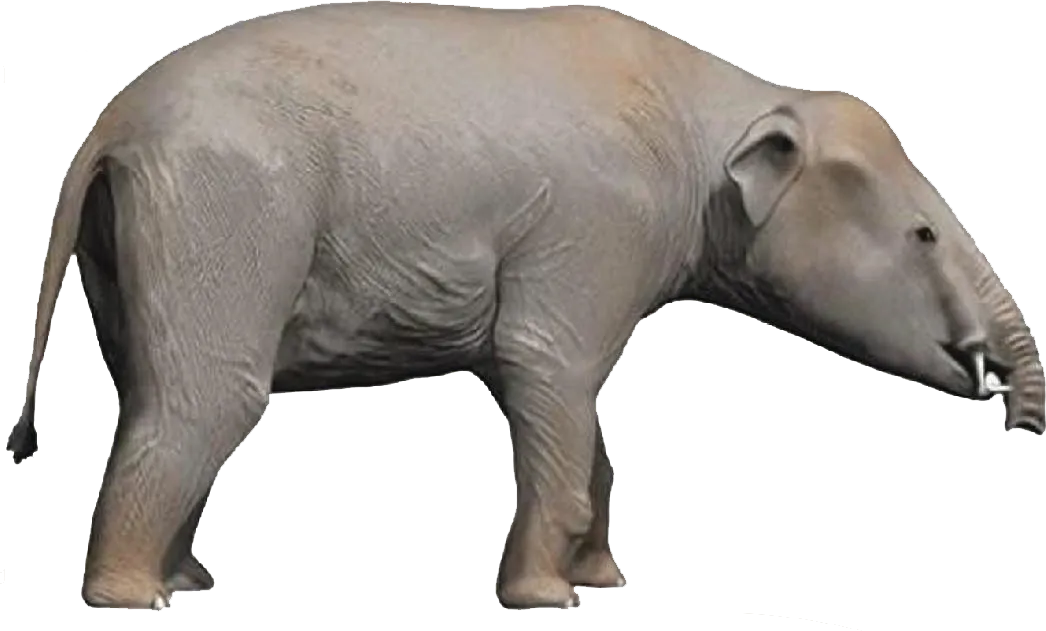
The first proto-trunk appears — a decisive step toward modern elephant anatomy.
Four tusks, a fully functional trunk, and the first global spread of the elephant family.
Strikingly similar to the modern elephant — dominant across Asia for millions of years.
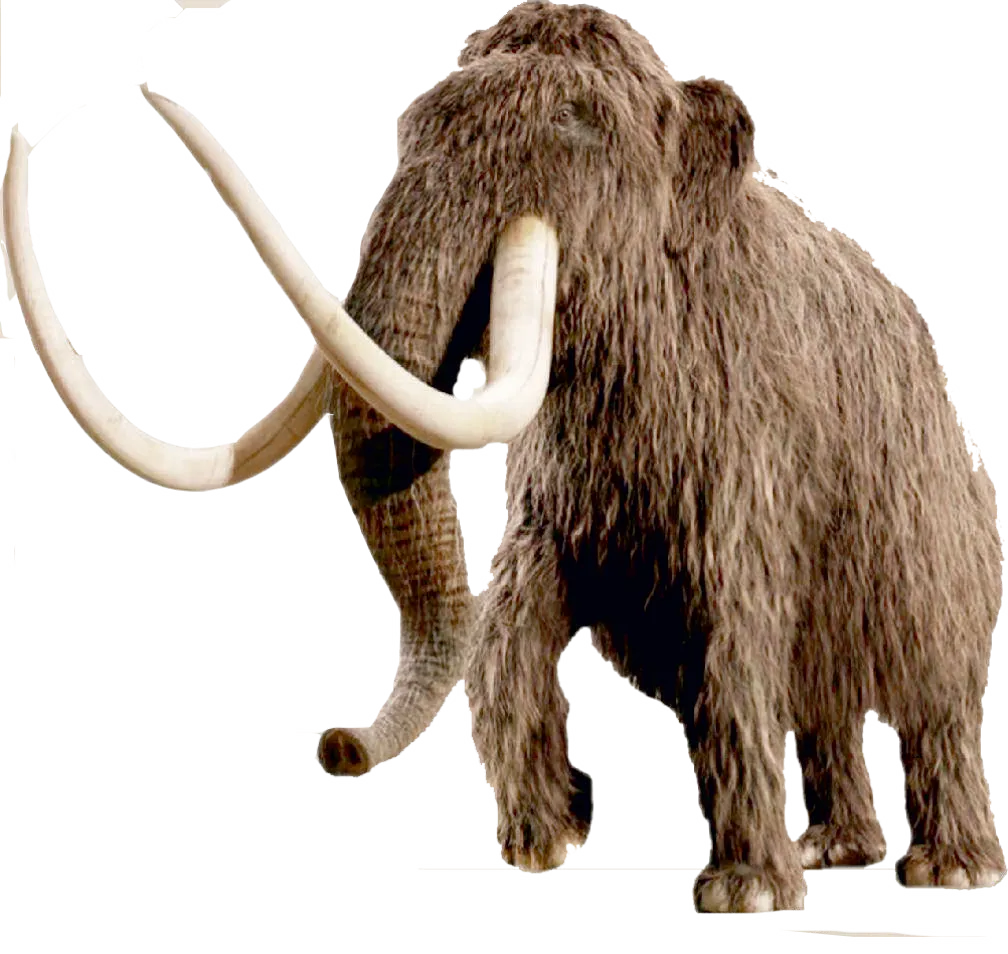
Ice Age giants — thick fur, spiralling 5-metre tusks, 99.6% identical DNA to Asian elephants.
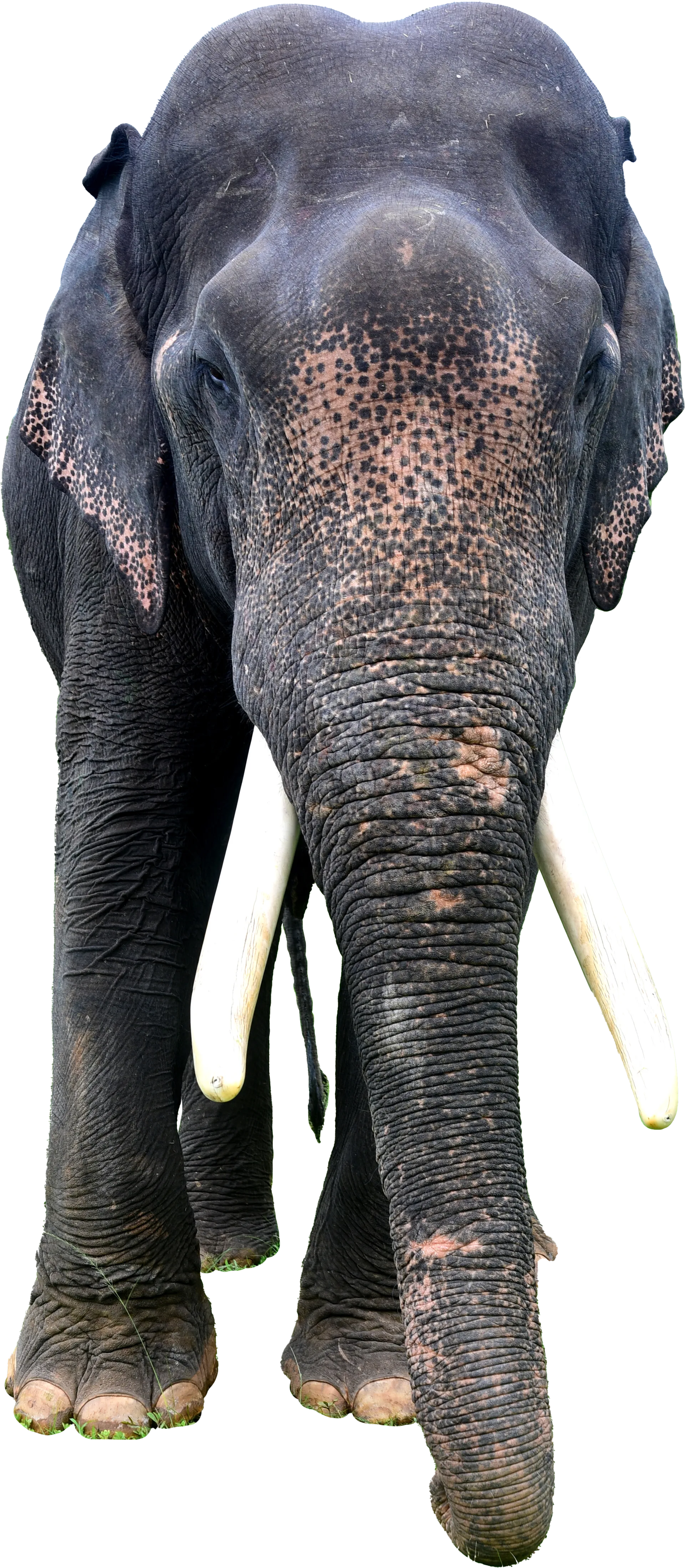
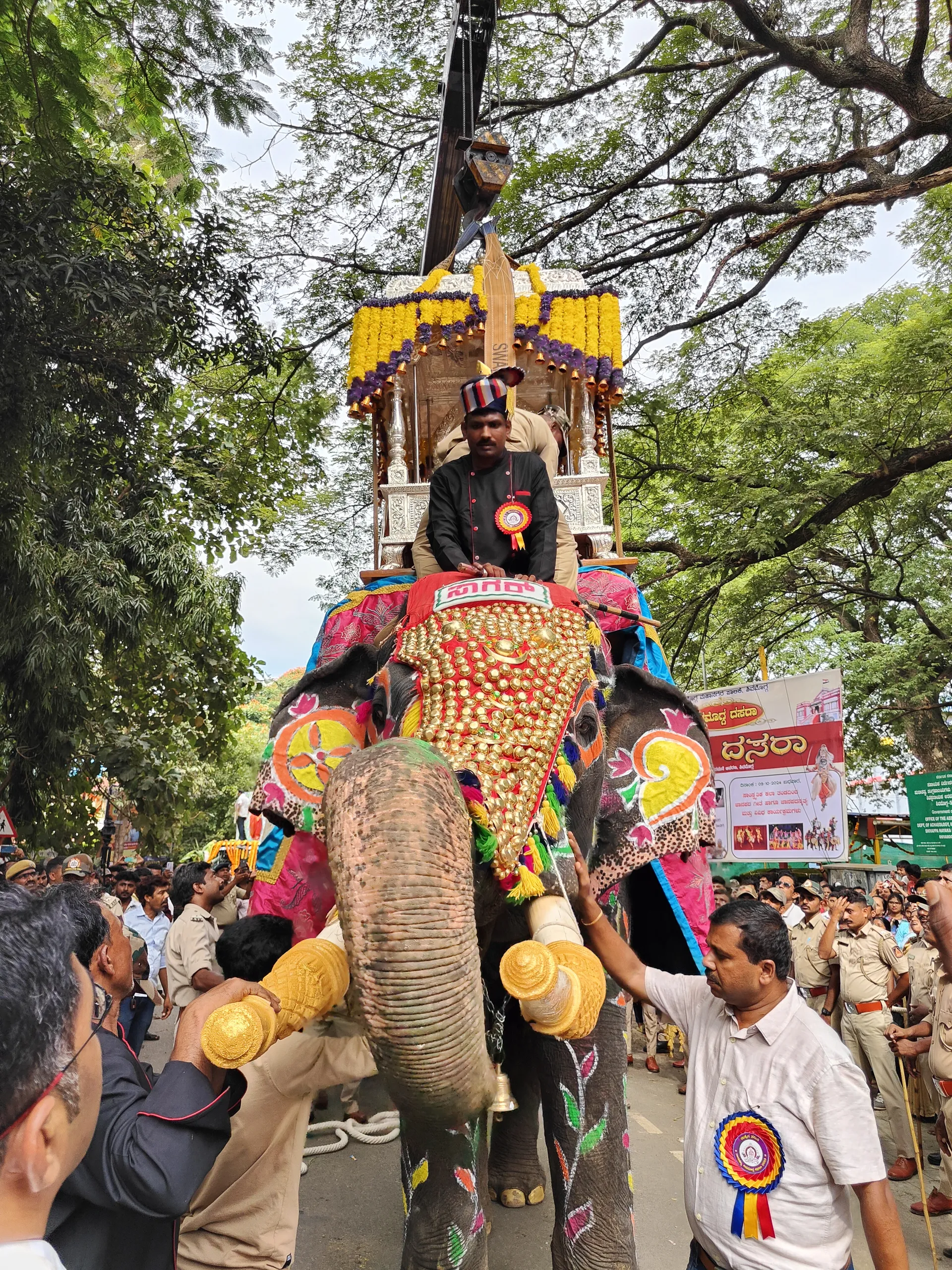
The living legacy of 55 million years — resident at Sakrebailu Elephant Camp, Karnataka.
How the Trunk Evolved
The trunk has no bones — only ~100,000 individual muscle fascicles, making it infinitely flexible in all directions.
The Asian elephant's single fingertip can pick up objects as small as a single coin or a grain of rice.
Holds up to 15 litres of water. Can detect the scent of water from 20 km away. Used for communication, greeting, and play.
Asian vs African Elephant
The two living genera — Elephas and Loxodonta — diverged approximately 6–7 million years ago.
- Smaller, rectangular-shaped ears
- Twin-domed bumps on forehead
- One finger-like tip on trunk
- Males may have tusks; females rarely do
- Height up to 3.5 m; Weight up to 6,000 kg
- IUCN: Endangered · ~40,000–50,000 wild
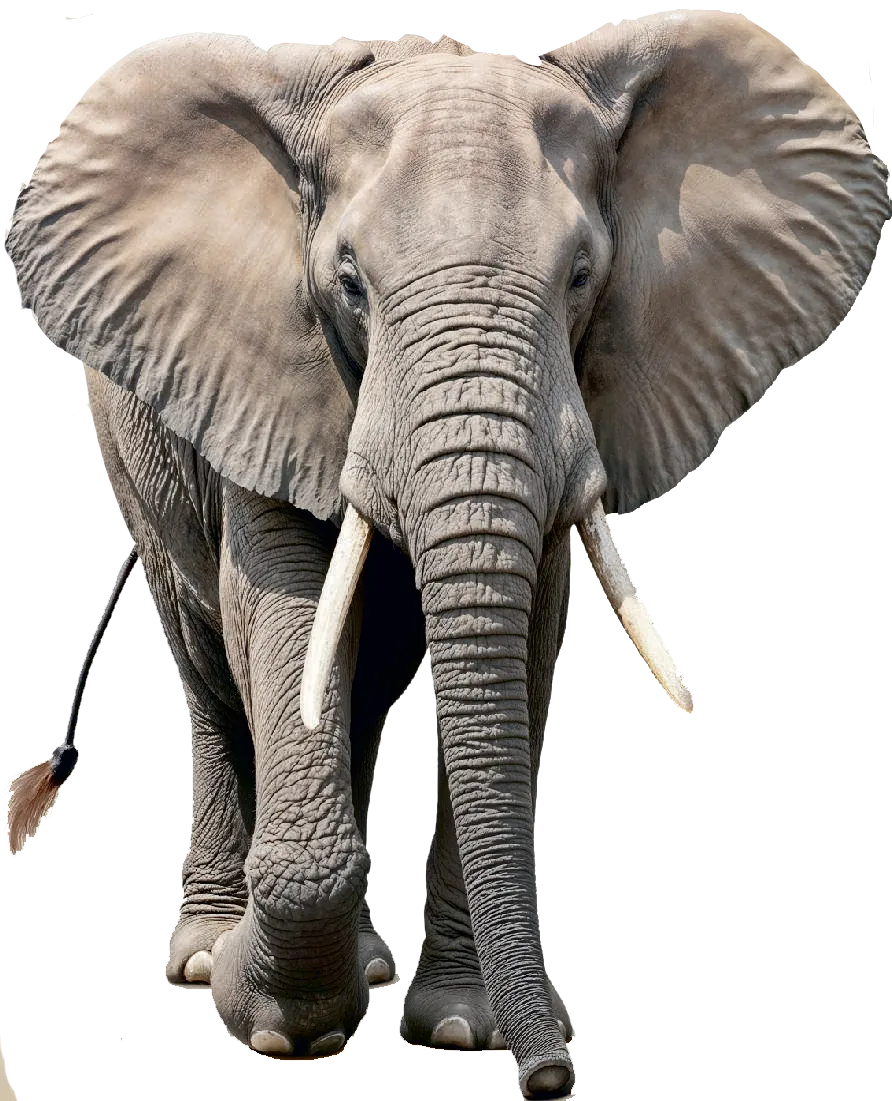
- Large fan-shaped ears for heat regulation
- Single rounded crown on forehead
- Two finger-like tips on trunk (prehensile)
- Both males and females typically have tusks
- Height up to 4 m; Weight up to 10,500 kg
- IUCN: Vulnerable · ~415,000 wild (savannah)
The Gentle Giant
The Indian Asian Elephant — resident at Sakrebailu — is the largest land animal in Asia. Listed under Schedule I of the Wildlife Protection Act, 1972 and CITES Appendix I. Their wild population has fallen by over 50% in three generations.
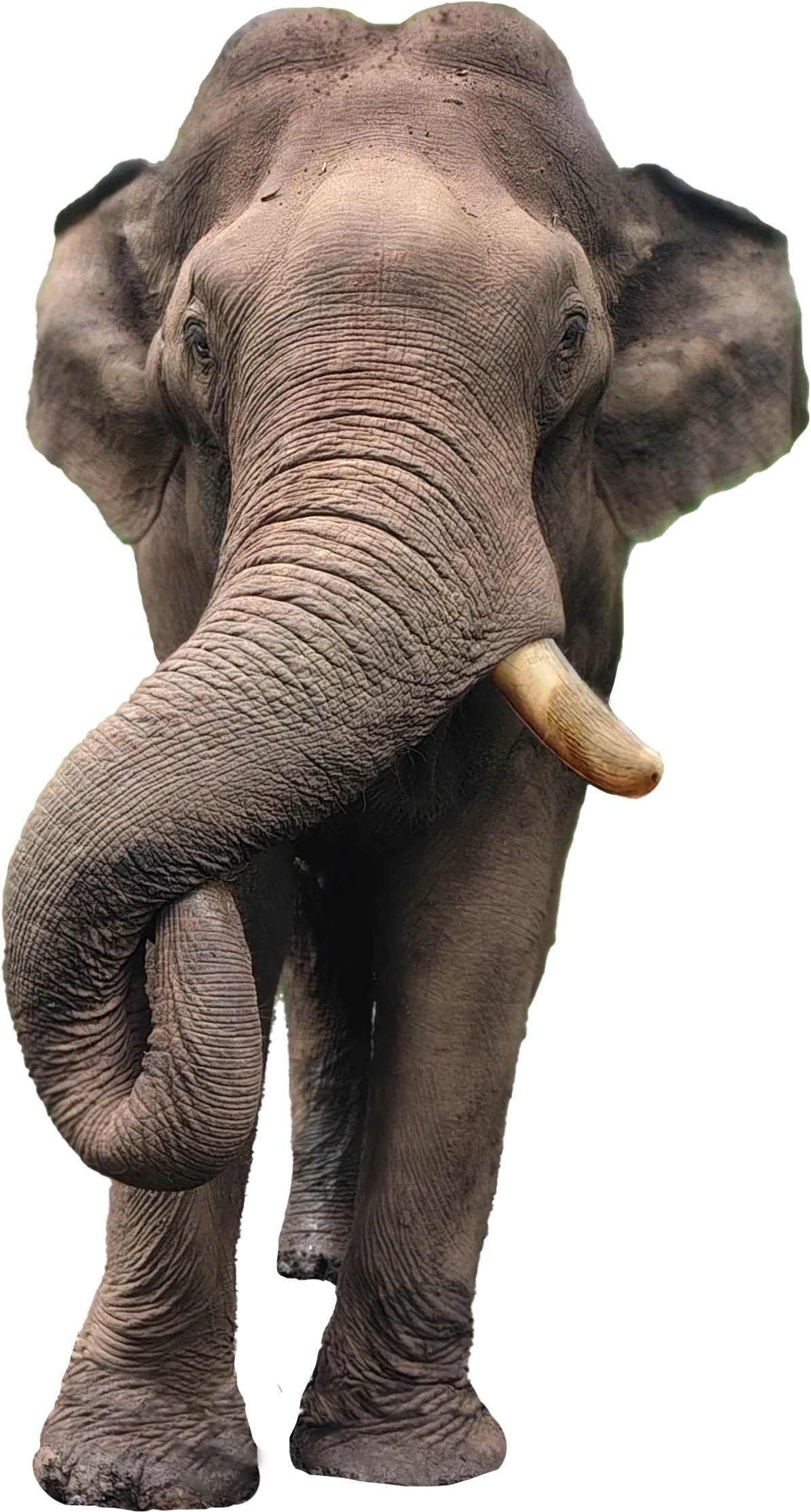
Two distinctive rounded bumps on the forehead — the hallmark of the Asian elephant. The African has just one rounded crown.
Smaller and rectangular. Dense blood vessels allow the elephant to fan its ears and cool its blood temperature.
~100,000 muscle fascicles. One prehensile finger-tip can pick up a single grain of rice or suck up 15 litres of water.
Only male Asian elephants grow long tusks. Tuskless males are called "makhnas" and are common in India.
Grey-brown, up to 3.8 cm thick at the back. Sparse bristle-like hairs are visible, particularly on calves.
Elephants cycle through six sets of molars in a lifetime. When the last set wears out (~age 60), the elephant can no longer eat.
Five toenails on front feet, four on the back. Padded soles allow nearly silent movement through dense forest.
The longest of any land animal. A newborn calf weighs ~100 kg and stands within an hour.
Life expectancy is closely tied to tooth wear. Elders guide herds to water and food from memory.
"The Asian elephant is the gardener of India's forests — dispersing seeds, creating water holes, shaping landscapes. Protect them, and you protect an entire ecosystem."
Join the Conservation Story
Sakrebailu Elephant Camp rehabilitates injured and orphaned wild elephants, trains kumkis for forest operations, and serves as a living classroom for elephant biology and conservation education — run by Karnataka Forest Department.