Elephant Corridors
& Migration
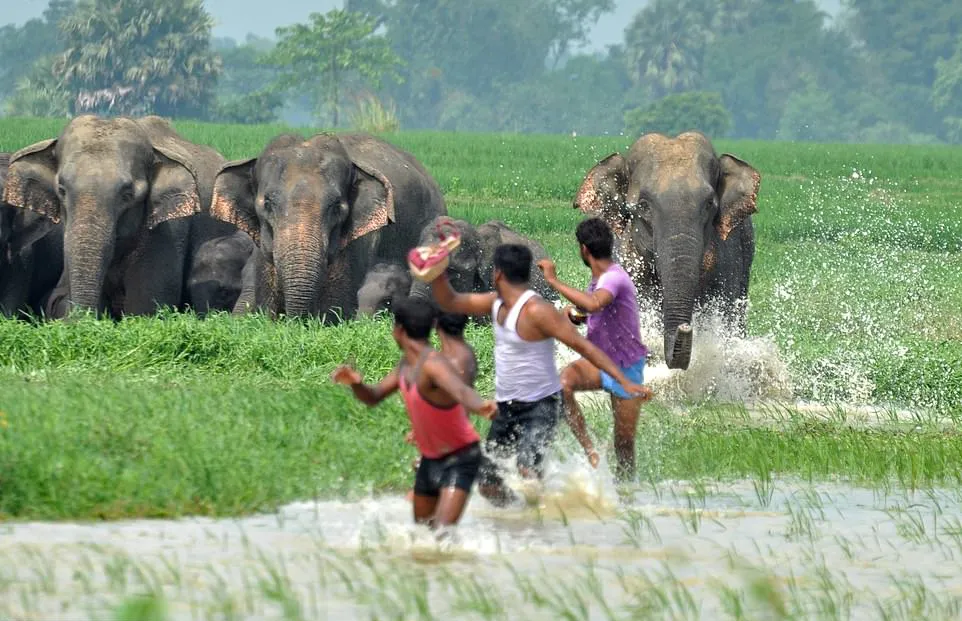
Elephants, the gentle giants of our forests, rely on ancient pathways called elephant corridors to migrate between habitats. These corridors are lifelines that maintain genetic diversity, access to food and water, and overall ecosystem health.
Lifelines through fragmented forests
Safe Passage
Elephants travel long distances across fragmented forests. Corridors prevent human-animal conflict by guiding elephants safely through their natural routes.
Genetic Diversity
Migration allows elephants to interbreed across herds, keeping populations healthy and strong.
Seasonal Resources
Elephants move to find water, food, and shelter during dry and monsoon seasons.
Migration Patterns of Elephants
Monsoon Movement
During the rains, elephants move towards lush forests with abundant water and fodder.
Dry Season Shifts
In summer, they travel to river basins, reservoirs, and moist regions for survival.
Long-Distance Migration
Some herds cover 100–150 km, crossing multiple states like Karnataka, Kerala, and Tamil Nadu.
Role in Forest Ecosystem
Seed Dispersal
Elephants act as gardeners of the forest by dispersing seeds over long distances.
Habitat Maintenance
Their movement clears dense undergrowth, creating pathways for smaller animals.
Water Hole Creation
Elephants dig for water, forming small holes that support other wildlife.
Why Elephants
Need Us
Protecting elephants means protecting forests, wildlife, and our planet.
Poaching
Hunted and shot for their ivory tusks
Habitat Loss
Forests cleared for farms, roads and reservoirs cut off their migration corridors
Orphaned Calves
Calves left behind when mothers are killed or herds are disturbed — they need rescue and a lifetime of care
What happens if elephants disappear?
Elephants spread seeds across the forest in their dung — without them, many trees stop regenerating.
Smaller animals struggle to find food without elephant-made pathways.
In dry seasons, elephants dig water holes that others rely on.
Without them, forests collapse and wildlife suffers.